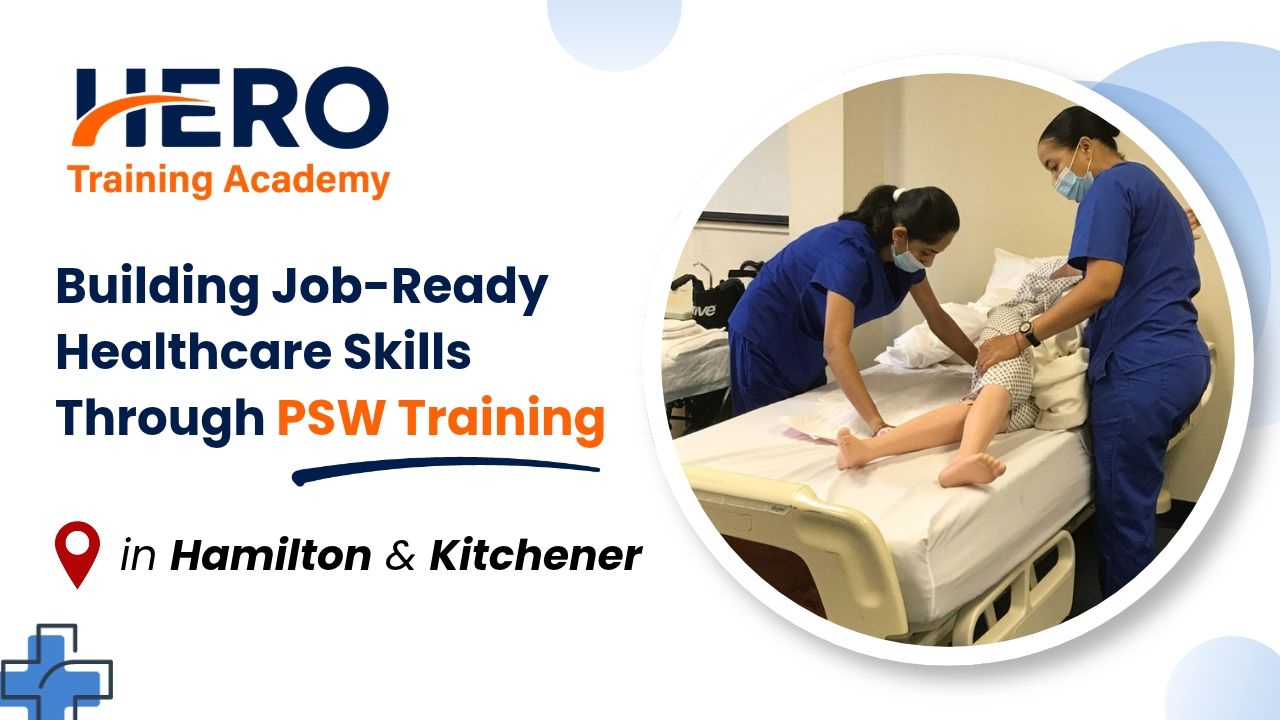
Rewarding career opportunities await Personal Support Workers (PSWs) in healthcare. People who need support with daily activities, such as seniors and people with disabilities, rely on PSWs for support. Trained workers are also employed by leading healthcare facilities and retirement homes. To become a PSW, you need a short Personal Support Worker course Hamilton from an accredited institution.
The course imparts the following job-ready skills
Person-Centered Care
In personal care, the focus shifts from a rigid, task-based routine to a relationship-based model. The assistant understands that each client has distinct routines, cultural or social backgrounds, and personal choices. The job is to involve the client in daily routines and pay close attention to subtle shifts in a client’s overall health or preferences. Clients experience higher satisfaction and stronger physical and emotional well-being. It moves PSWs away from being healthcare workers to being a close aide.
Activities of Daily Living (ADL)
It involves essential self-care tasks, especially bathing and personal hygiene. PSWs are trained to assist clients in maintaining a high level of personal hygiene, such as oral care, shaving, nail care, and daily bathing. They also help select weather-appropriate clothes and eat a healthy diet. They help clients move around, especially when visiting hospitals for routine checkups. However, the most important job is to organize pill boxes, track schedules, and remind clients to take prescribed drugs.
Safety and Emergency Response
Personal Support Worker course Kitchener prioritizes safety and emergency response. It involves understanding infections and ways to prevent them from spreading. They are fully trained to ensure safety in the workplace. Trained PSWs are always prepared to handle emergencies. They know how to act during emergencies. They use proper Personal Protective Equipment (PPE) and procedures when dealing with infections.
Palliative and End-of-Life Care
The training equips PSWs with the skills to manage physical, emotional, and spiritual comfort for terminally ill patients. They observe changes like breathing difficulty and assist the care team with medication support. They apply person-centered approaches to maintain a patient’s autonomy through the final stages of life. They educate families about illness and death. Their job is to help families document end-of-life wishes.
Documentation and Record Keeping
It is the practice of maintaining timely information about a client’s daily activities. Accurate documentation of daily activities helps doctors track progress. PSWs act as a primary tool for sharing changes in a client’s condition. They also provide a legal record of a patient’s care during treatment. The document reflects the client’s actual preferences, choices, and involvement. The document serves as a written account of day-to-day observations and personal care provided.
Communication Skills
Strong communication builds trust, ensures client safety, and maintains smooth relations with the healthcare team. PSWs are good listeners. They listen to every need and give prompt and proper response. They maintain verbal clarity and use simple language in communication. They also understand non-verbal communication, such as body language, facial expressions, and hand gestures. They write important points for reporting purposes.
Eligibilities for PSW Couse:
- High School Diploma or equivalent
- Mature Student (18 years or older)
- Proficiency in the English language (written and spoken)
- Successful completion of the Wonderlic Scholastic Level Exam
Conclusion
Anyone who fulfills the eligibility requirements can become a trained PSW and start their career. Leading institutions even offer financial aid and job placement with their courses. These services make a PSW course in Kitchener more valuable for jobseekers. If you want to help others, make a meaningful difference in the lives of others, or start a striking career in healthcare, you can join a course.