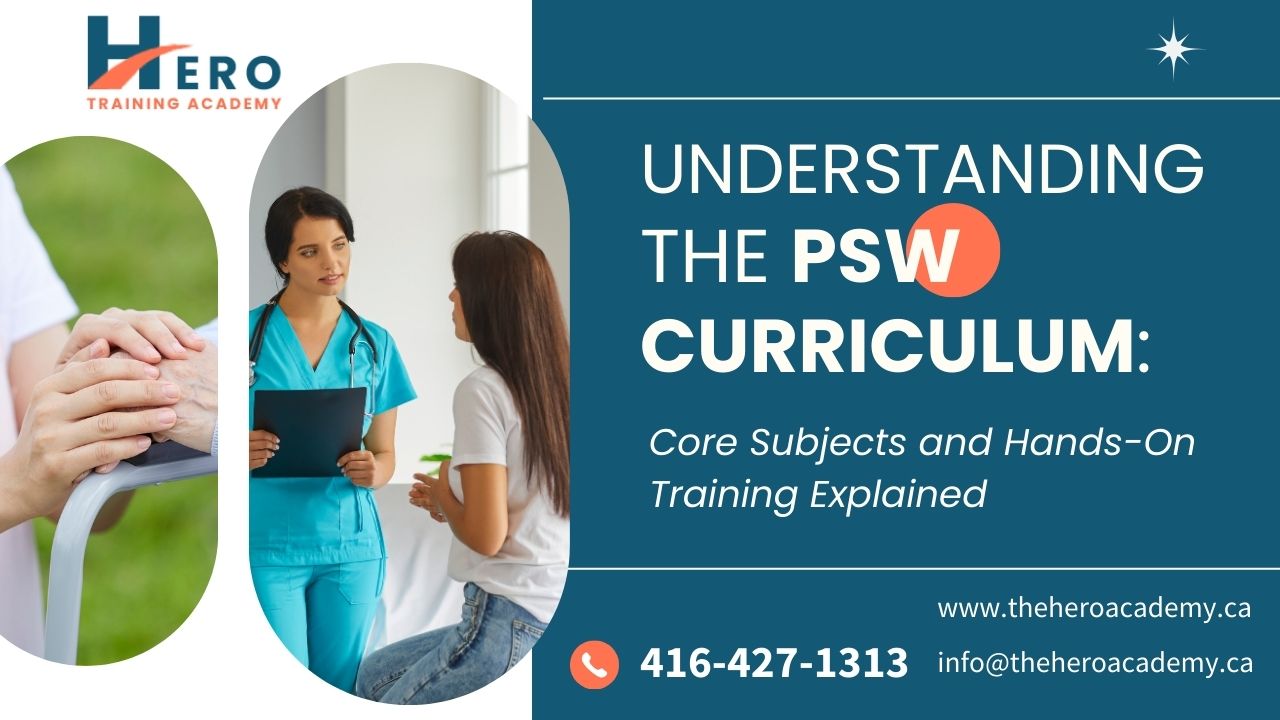
A Personal Support Worker (PSW) plays a vital role in today’s healthcare system, providing compassionate, hands-on care to individuals who need daily assistance. Whether working in long-term care facilities, hospitals, or private homes, PSWs are trained to support physical, emotional, and social well-being. If you are considering enrolling in a Personal Support Worker Course Toronto, understanding the curriculum will help you make an informed decision about your education and career path.
This blog explains the core subjects taught in a PSW curriculum and how hands-on training prepares students for real-world healthcare environments.
What Is the PSW Curriculum Designed to Achieve?
The PSW curriculum is structured to build both knowledge and practical skills. It focuses on preparing students to deliver safe, ethical, and respectful care to people of all ages. From understanding human anatomy to mastering personal care techniques, the curriculum ensures graduates are job-ready from day one.
Programs are designed according to provincial healthcare standards, ensuring that PSWs meet employer expectations and industry requirements.
Core Subjects Covered in a PSW Program
1. Foundations of Personal Support Care
This subject introduces students to the role and responsibilities of a PSW. Topics include professionalism, communication skills, confidentiality, and ethical behavior. Students learn how to work effectively as part of a healthcare team while maintaining respect for client dignity and independence.
2. Human Body and Health Basics
Understanding how the human body functions is essential for providing proper care. Students study basic anatomy, physiology, and common health conditions. This knowledge helps PSWs recognize changes in a client’s physical or mental health and report concerns appropriately.
3. Personal Care and Daily Living Assistance
This is one of the most important components of the curriculum. Students learn how to assist clients with bathing, grooming, mobility, feeding, and toileting. Emphasis is placed on safety, infection control, and maintaining client comfort. Learners enrolled in a PSW Program Brampton often find this module especially valuable as it directly reflects daily workplace responsibilities.
4. Mental Health and Cognitive Support
PSWs frequently support individuals dealing with dementia, Alzheimer’s disease, depression, or other mental health conditions. This subject teaches students how to provide emotional support, manage responsive behaviors, and communicate with empathy and patience.
5. Palliative and End-of-Life Care
Providing care during end-of-life stages requires sensitivity and compassion. Students learn pain management basics, comfort measures, and how to support families during emotionally challenging times.
Importance of Hands-On Training
Theory alone is not enough in healthcare. That’s why hands-on training is a key part of every PSW curriculum.
Lab-Based Practice
In simulated lab environments, students practice essential skills such as transferring clients safely, using mobility aids, and performing personal care tasks. These labs allow learners to gain confidence before entering real care settings.
Clinical Placements
Clinical placements are where learning truly comes to life. Students work under supervision in long-term care homes, hospitals, or community settings. These placements provide real-world exposure and help students understand workplace expectations. Many students pursuing a Personal Support Worker Course Vaughan value clinical training because it often leads to job opportunities after graduation.
Skills Developed Through Practical Training
Hands-on training helps students develop:
Strong communication and interpersonal skills
Time management and organizational abilities
Problem-solving in real care situations
Emotional resilience and professionalism
These skills are essential for building a successful and fulfilling PSW career.
Career Readiness and Employment Opportunities
Completing a comprehensive PSW curriculum opens doors to various healthcare settings. Graduates are prepared to work with seniors, individuals with disabilities, and patients recovering from illness or surgery. With the growing demand for healthcare workers, PSWs are highly valued across Ontario.
Employers prefer candidates who have strong practical training and a solid understanding of patient-centered care, both of which are emphasized throughout the curriculum.
Final Thoughts
Understanding the PSW curriculum helps future students appreciate the depth and value of the training involved. From core theoretical subjects to extensive hands-on experience, the program is designed to create skilled, compassionate caregivers who can make a real difference in people’s lives. Whether you are exploring a PSW Program Toronto or considering options in nearby regions, choosing a program with a balanced curriculum and strong practical training is the first step toward a rewarding healthcare career.